Meta Description
Learn how to build a poultry slaughterhouse from scratch, including equipment, layout, cost, and production capacity. Get expert guidance for turnkey poultry processing solutions.
Introduction
Building a poultry slaughterhouse is a major investment that requires careful planning, professional equipment selection, and a well-designed production flow.
Whether you are starting a new poultry processing business or upgrading an existing facility, understanding the step-by-step process will help you avoid costly mistakes.
In this guide, we will walk you through everything you need to know.
Step 1: Define Your Production Capacity
The first and most important step is to determine your processing capacity.
Typical capacities include:
- 1000 birds/hour (small scale)
- 3000–5000 birds/hour (medium scale)
- 8000+ birds/hour (large industrial plant)
👉 Your capacity will directly affect:
- Equipment configuration
- Plant size
- Investment cost
Step 2: Design the Slaughterhouse Layout
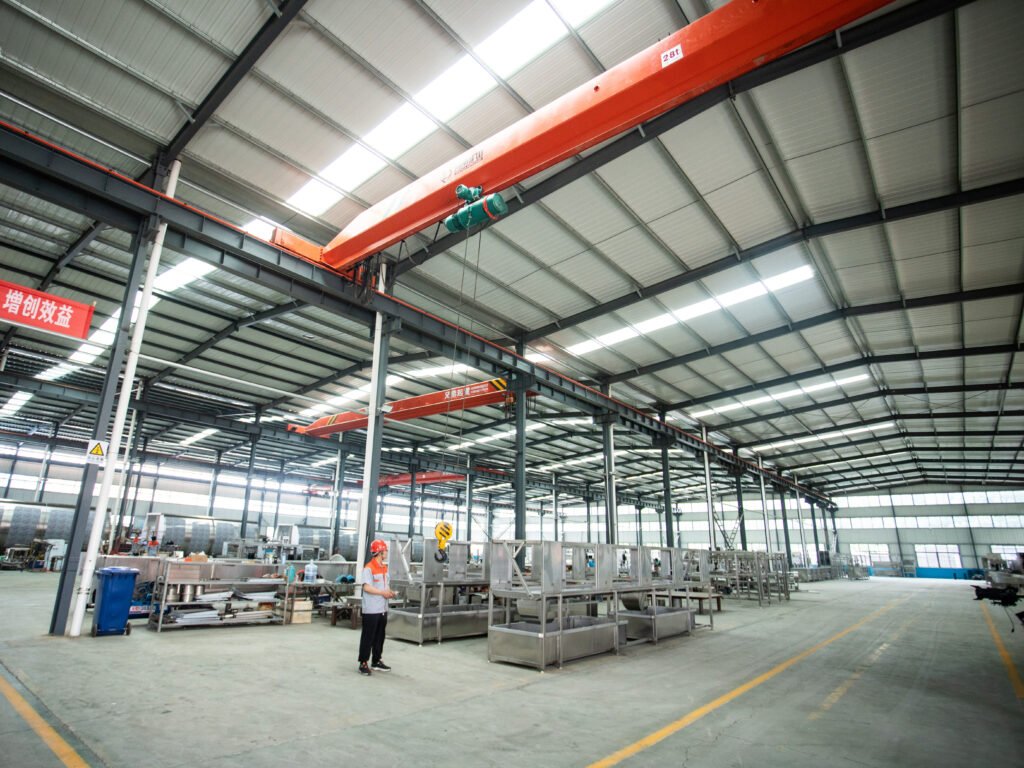
A proper layout ensures efficiency, hygiene, and compliance with international standards.
A standard poultry processing line includes:
- Live bird receiving area
- Stunning and killing
- Scalding and defeathering
- Evisceration
- Chilling (air or water cooling)
- Cutting and packaging
👉 A well-designed layout improves:
- Production efficiency
- Labor cost
- Product quality
Step 3: Choose the Right Equipment
Selecting the right poultry slaughter equipment is critical. Key equipment includes:
- Automatic poultry slaughter line
- Scalding tank
- Plucking machine
- Evisceration line
- Chilling system
- Conveyor system
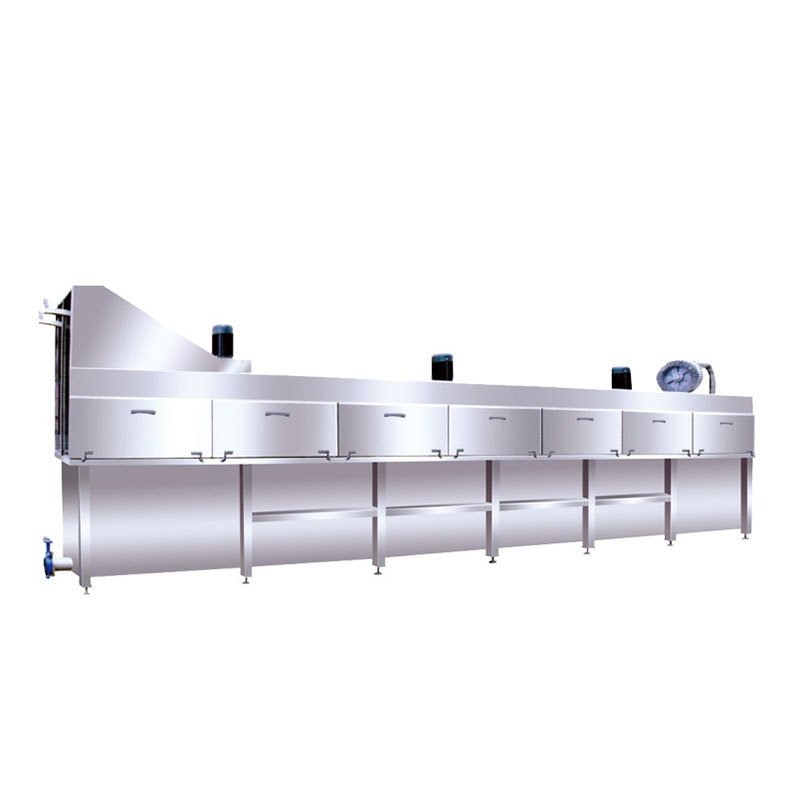
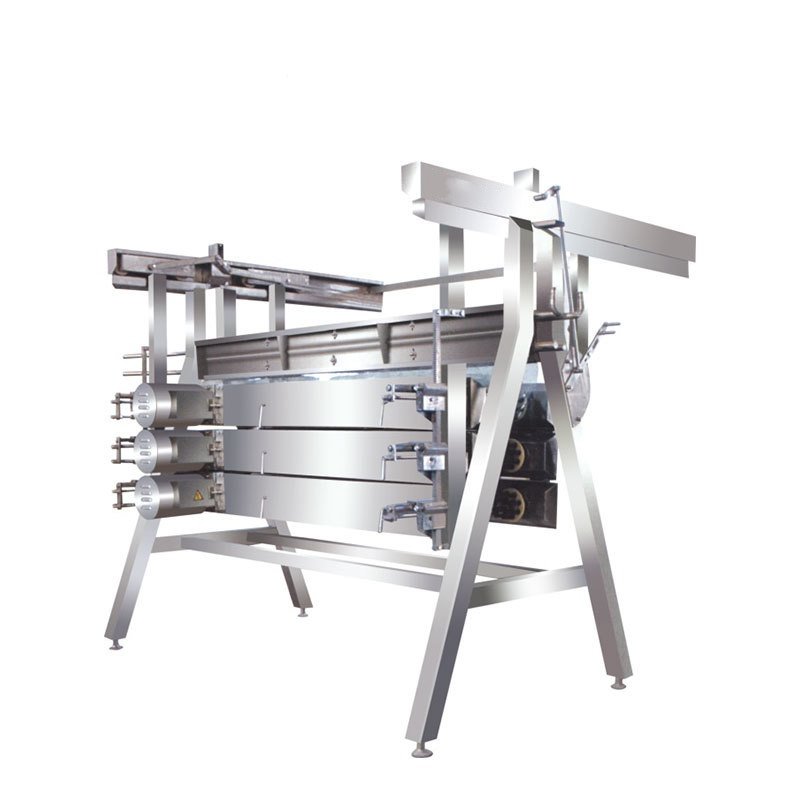
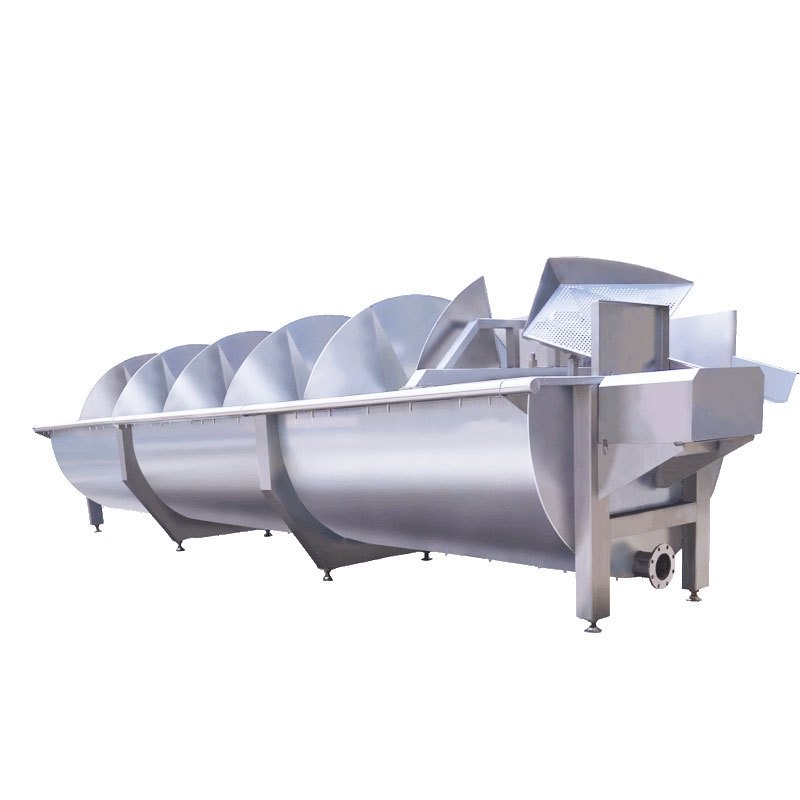
👉 Automatic systems are recommended for:
- Higher efficiency
- Better hygiene
- Reduced labor costs
Step 4: Understand Investment Cost
The cost of building a poultry slaughterhouse includes:
- Equipment cost
- Building construction
- Installation and commissioning
- Labor and operation
Typical equipment investment:
- Small line: $50,000 – $150,000
- Medium line: $150,000 – $500,000
- Large line: $500,000+
👉 Exact cost depends on capacity and automation level.
Step 5: Compliance and Certification
For export-oriented businesses, certifications are essential.
Common requirements:
- CE certification (Europe)
- HACCP system
- ISO standards
👉 These ensure:
- Food safety
- International market access
Step 6: Installation and Commissioning
Professional installation ensures your line runs smoothly.
Key points:
- Equipment alignment
- Electrical system setup
- Water supply and drainage
- Trial production
👉 Proper commissioning reduces downtime and maintenance issues.
Step 7: Training and Operation
Operators must be trained to handle:
- Equipment operation
- Maintenance procedures
- Hygiene standards
👉 This ensures stable production and long equipment lifespan.
🏭 Why Choose a Professional Turnkey Supplier?
Working with an experienced supplier can save time and reduce risk.
A reliable supplier provides:
- Customized layout design
- Full equipment solution
- Installation support
- After-sales service
👉 This is especially important for overseas projects.
If you are planning to build a poultry slaughterhouse, we can help you with a complete turnkey solution.
With over 14 years of experience in poultry processing equipment export, we have successfully delivered projects to Africa, the Middle East, and Southeast Asia.
✔ Customized design
✔ CE-certified equipment
✔ Full installation support
👉 Contact us today to get a free project consultation and quotation.
- Determining Production Capacity: The first step in building a poultry slaughterhouse is to define your processing capacity, which influences equipment, plant size, and investment costs.
- Designing the Layout: A well-designed layout for the poultry processing line ensures efficiency, hygiene, and compliance, covering stages like receiving, stunning, defeathering, evisceration, chilling, and packaging.
- Choosing Equipment: Selecting the appropriate equipment, preferably automatic systems, is crucial for efficiency, hygiene, and reducing labor costs, including slaughter lines, scalding tanks, and chilling systems.
- Understanding Investment Cost: Building costs include equipment, construction, installation, and operation, with investments varying from $50,000 for small lines to over $500,000 for large plants depending on capacity and automation.
- Ensuring Certification and Proper Installation: Certifications such as CE, HACCP, and ISO are vital for export and market access, and professional installation ensures smooth operation, minimizing downtime and maintenance.